


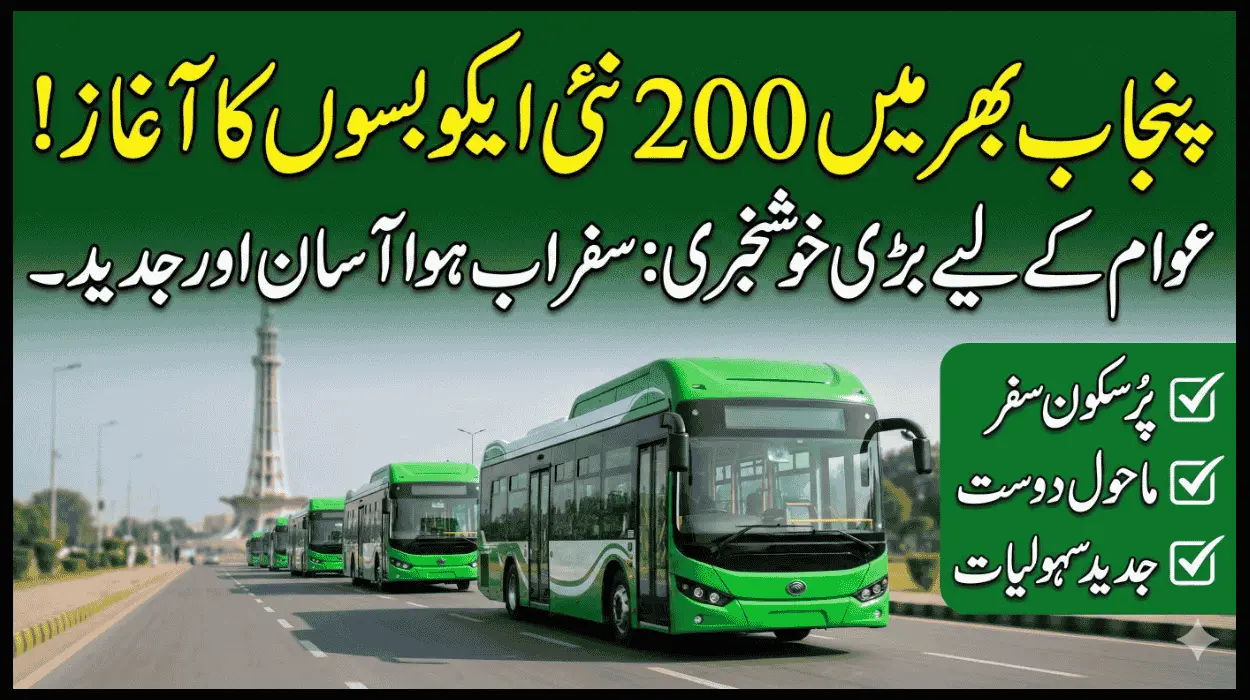
Punjab Electric Shift 2026 Launches 200 Eco Buses Provincewide
Introduction
Cities move on public transport. When buses are reliable, affordable, and clean, daily life becomes easier for students, workers, and families. Punjab Electric Shift 2026 brings a strong message of modern mobility by introducing 200 eco buses that reshape urban travel across the province. This transformation is not only about new vehicles. It is about clean transport, better service routines, smarter route planning, and a more comfortable experience for passengers who depend on buses every day.
What Punjab Electric Shift 2026 Represents Right Now
Punjab Electric Shift 2026 represents a shift in how the province approaches mobility and air quality. Instead of relying only on traditional fuel based fleets, the focus moves toward electric public transport that supports quieter streets and cleaner urban air. For passengers, this shift matters because it improves the feel of daily commuting.
For cities, it matters because transport decisions influence congestion patterns, road wear, and environmental health. The introduction of eco buses sends a clear signal that public transport is not a backup option. It is a priority service designed for modern urban life.
Why 200 Eco Buses Create a Noticeable Change
A fleet expansion of 200 vehicles is large enough to change commuting outcomes across multiple corridors. When buses arrive on time and run frequently, people wait less and plan their days better. Eco buses also support a smoother ride experience due to stable acceleration and reduced engine vibration. For many riders, small comfort improvements add up across months of commuting.
For service planners, a larger fleet enables more consistent scheduling and allows peak hour demand to be handled with less strain on drivers and depots. That is how urban transport transformation becomes visible in daily life.
How Eco Buses Improve Air and Noise in Cities
Eco buses reduce tailpipe pollution where people actually breathe, which is near roads, schools, markets, and housing blocks. Cleaner fleets can help cities target better air quality outcomes and reduce the day to day haze feeling that commuters often notice.
Noise also matters. When buses are quieter, busy streets feel less stressful, and drivers experience less fatigue over long routes. The benefit is not only environmental. It is human and practical, helping create calmer public spaces and better ride quality for riders of all ages.
What Passengers Experience on an Electric Bus Service
Passengers feel the change in routine details. A better bus experience is about reliability, comfort, and clarity. With modern fleets, people expect cleaner interiors, smoother rides, and predictable stops. If the service system aligns schedules and routes properly, passengers also experience fewer sudden cancellations. This leads to higher trust in public transport, which encourages more people to ride instead of relying on individual vehicles. That shift supports traffic reduction and makes roads more manageable for everyone.
Passengers typically value
• Consistent arrival times and frequent service
• Comfortable seating and cleaner interiors
• Reduced noise and smoother acceleration
• Clear route information and stop announcements
• Safer boarding and better lighting
Infrastructure That Makes the Electric Shift Work
Electric buses need more than vehicles. They need charging, maintenance routines, and trained technical staff. A successful shift includes charging stations, depot planning, and a system that ensures buses return to service quickly after charging. Maintenance teams need tools and skills tailored to electric drivetrains and battery systems.
Route planners must also consider distance, passenger load, and charging cycles. When this infrastructure is planned carefully, the fleet stays reliable, and the public begins to trust the service as a dependable daily option.
Comparison of Verification Methods
| Verification Method | What It Confirms |
|---|---|
| Route performance monitoring | Buses follow schedule and meet demand |
| Charging cycle validation | Vehicles charge safely and return on time |
| Fleet safety inspection | Systems and brakes remain reliable |
| Passenger feedback review | Service quality improves with real input |
| Depot readiness audit | Staff and equipment support daily operations |
How Cities Benefit From Smarter Route Planning
A fleet is only as strong as its routes. With eco buses, planners can redesign corridors to match where people actually travel, such as education hubs, markets, industrial zones, and hospitals. When routes match real demand, buses run fuller, revenue improves, and service becomes more frequent.
Smarter routing also reduces bunching, where multiple buses arrive together and then leave long gaps. The result is a better rhythm that commuters can trust. Over time, strong routing strengthens public transport adoption and reduces reliance on private rides for short trips.
Green Tractor Scheme Punjab Final Notice Waiting List Payment by 22 Dec 2025
Economic Advantages for Households and Cities
Public transport is an economic tool. When buses are available and affordable, households save money on fuel, parking, and frequent ride hire costs. People also save time when service is consistent. Cities benefit when congestion eases and road damage from heavy traffic patterns reduces.
Eco bus systems can also create new jobs in operations, charging management, maintenance support, and service monitoring. The long term advantage is a stronger mobility network that supports local commerce because people can reach markets and workplaces more easily.
PM Laptop Scheme 2026 Applications Open in Another Province Now
What Challenges Come With an Electric Bus Rollout
Every transformation faces challenges. Electric fleets require strong operational discipline. If charging plans are weak, buses may face downtime. If technicians are not trained, repairs can take longer than expected. If routes are assigned without considering battery range and passenger load, reliability can suffer. Another challenge is public expectations.
When people hear electric, they expect premium service immediately. The solution is continuous improvement, honest communication, and rapid response to operational issues so the system strengthens month by month.
Apni Chhat Apna Ghar Easy Loans Up to 15 Lakhs Complete Guide
How to Build Public Trust in the New Service
Trust grows when riders see consistency. Clear information at stops, predictable schedules, clean buses, and respectful staff interactions all contribute to positive public perception. Feedback channels matter too. When passengers feel heard, they become long term users.
Cities can also encourage adoption through clear route maps, simple ticketing, and visible safety measures. A well managed eco bus program becomes a symbol of progress and helps people feel proud of their city, not just transported through it.
Punjab Raises Head Teacher Allowance: Maryam Nawaz Education Reform Update
Final Words
Punjab Electric Shift 2026, supported by 200 eco buses, signals a meaningful transformation in urban mobility across the province. Cleaner air, quieter streets, and more reliable commuting create benefits that reach households, businesses, and city life as a whole. When infrastructure, route planning, and service management stay strong, this shift becomes more than a transport upgrade. It becomes a healthier, smarter way for Punjab to move forward.
FAQs
What is Punjab Electric Shift 2026 and why does it matter?
Punjab Electric Shift 2026 represents a move toward electric public transport that improves commuting and supports cleaner urban air. It matters because better buses reduce stress, improve reliability, and help cities modernize mobility.
How do eco buses improve daily travel for passengers?
Eco buses provide smoother rides, lower noise, and the potential for more consistent scheduling when fleet management is strong. Passengers benefit from comfort, clarity, and better trust in the bus system.
Do electric buses reduce pollution in crowded areas?
Yes, eco buses reduce tailpipe emissions where people live and travel. This supports air quality improvement near busy roads, markets, schools, and residential areas.
What infrastructure is needed for electric buses to run reliably?
Reliable service needs charging stations, depot planning, trained technical teams, safety inspections, and route planning that matches battery range and passenger demand. These pieces keep buses in service consistently.
How can the province ensure the eco bus program succeeds?
Success comes from disciplined operations, strong maintenance, smart route design, and active passenger feedback. When performance is monitored and improvements continue, public trust grows and ridership increases.